
Unveiling Kerala’s Rhythmic Soul: A Journey Through Its Native Dance Forms
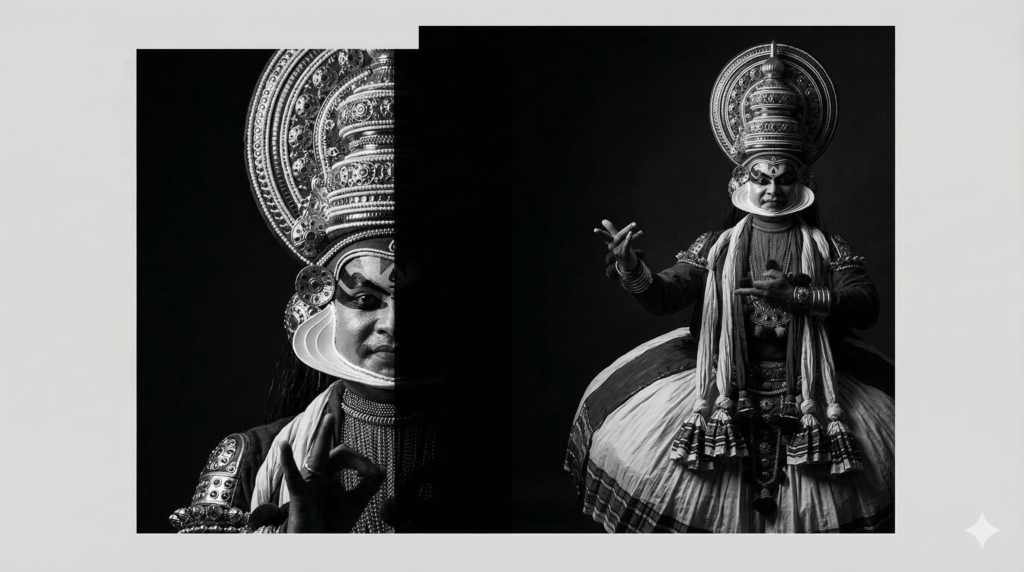
Kerala, affectionately known as God’s Own Country, is a land where culture breathes vibrant life into every corner, and its native dance forms stand as glittering jewels in its rich heritage. More than mere performances, these dances are profound expressions of devotion, storytelling, and community spirit, deeply interwoven with the fabric of Malabar’s history and spiritual beliefs. From the elaborate classical narratives to the mesmerizing ritualistic arts and the joyous folk celebrations, Kerala offers a kaleidoscope of rhythmic movements, intricate costumes, and soulful music. Each form tells a unique tale, reflecting the diverse traditions and artistic brilliance that have flourished on this southwestern coast for centuries, captivating hearts and minds with their timeless beauty and profound cultural significance.
The Grandeur of Classical Narratives: Kathakali and Mohiniyattam
At the pinnacle of Kerala’s dance traditions stand Kathakali and Mohiniyattam, two classical art forms that epitomize the state’s artistic prowess. Kathakali, meaning ‘story-play,’ is a magnificent spectacle known for its elaborate costumes, vibrant face paints (Chutti), and towering headgear. Performers, predominantly men, transform into mythological characters from the Ramayana and Mahabharata, using a highly refined language of mudras (hand gestures), intense facial expressions (navarasas), and dramatic bodily movements to narrate ancient tales. Accompanied by the resonant sounds of Chenda, Maddalam, and the melodious singing of Sopana Sangeetham, Kathakali is not just a dance but a complete theatrical experience that transports its audience to a world of gods, demons, and heroes.
In elegant contrast to Kathakali’s robust masculinity is Mohiniyattam, the ‘dance of the enchantress.’ This graceful classical dance form is characterized by its fluid, undulating body movements, gentle footwork, and a distinct Lasya (feminine charm) bhava. Performed exclusively by women, Mohiniyattam embodies subtlety and grace, often depicting themes of devotion and love, particularly towards Vishnu. Dressed in pristine white or off-white saris adorned with golden borders, the Mohiniyattam dancer evokes a sense of serene beauty, her movements reminiscent of the gentle sway of palm trees and the calm ripples of Kerala’s backwaters. Its unique blend of classical aesthetics and indigenous Kerala elements makes it a truly enchanting spectacle.
Sacred Rituals and Divine Manifestations: Theyyam and Koodiyattam
Kerala’s cultural landscape is also profoundly shaped by its ancient ritualistic dance forms, which serve as direct conduits to the divine. Theyyam, prevalent in the Malabar region, is perhaps the most awe-inspiring. It is not merely a performance but a sacred ritual where the performer physically embodies a deity or a divine spirit. The elaborate face painting, intricate costumes, and colossal headgear take hours to create, transforming the artist into a living god. As the drumbeats intensify and the performer enters a trance-like state, Theyyam becomes a powerful, visceral experience that blends devotion, art, and ancient beliefs, fulfilling wishes and offering blessings to the community.
Koodiyattam, recognized by UNESCO as a Masterpiece of the Oral and Intangible Heritage of Humanity, is one of the oldest surviving Sanskrit theatre traditions in the world, tracing its roots back over two millennia. Performed traditionally by the Chakyar and Nangiars (members of specific temple communities), Koodiyattam is an intricate art form characterized by its stylized acting, elaborate gestures, and the chanting of Sanskrit verses. It is often a multi-day performance held within temple precincts, adhering to strict traditional rituals and conventions. Its depth lies in the detailed ‘Vachika Abhinaya’ (dialogue) and ‘Angika Abhinaya’ (gestures), offering audiences a profound connection to ancient Indian dramatic principles and spiritual narratives.
Vibrant Folk Expressions: Thiruvathirakali, Oppana, and Velakali
Beyond the grandeur of classical and ritualistic arts, Kerala pulsates with a rich tapestry of folk dances that celebrate community life, festivals, and everyday joys. Thiruvathirakali, also known as Kaikottikali, is a graceful group dance performed by women, particularly during the Onam and Thiruvathira festivals. Dressed in traditional Kerala saris, women dance in a circular formation around a nilavilakku (traditional lamp), moving in rhythmic unison, swaying gently, and clapping their hands. The dance is accompanied by melodious folk songs, often devotional in nature, and embodies elegance, camaraderie, and the spirit of celebration.
From the Mappila Muslim community, Oppana brings vibrant energy to wedding celebrations. This lively group dance, typically performed by women around the bride, is characterized by rhythmic clapping, intricate footwork, and soulful Mappilapattu (Mappila songs). The songs, often narrating stories of love and marriage, create an atmosphere of joy and festivity, with the performers’ coordinated movements and expressions adding to the charm. Similarly, Velakali is a unique martial dance traditionally performed by Nair warriors in front of temples during festivals. Performers, dressed as ancient Nair soldiers with swords and shields, re-enact battles with vigorous movements and rhythmic drumming, showcasing the martial heritage and prowess of Kerala.
Conclusion
The native dance forms of Kerala are far more than mere entertainment; they are living testaments to the state’s profound cultural identity, spiritual devotion, and artistic legacy. From the dramatic storytelling of Kathakali and the lyrical grace of Mohiniyattam to the divine embodiment in Theyyam and the ancient traditions of Koodiyattam, each form offers a unique window into the soul of God’s Own Country. The joyous community spirit embodied in Thiruvathirakali and Oppana further enriches this diverse tapestry, ensuring that rhythm and expression remain integral to Kerala’s very essence. These dances are not just preserved relics of the past but vibrant, evolving traditions that continue to enchant, inspire, and connect generations, making Kerala a true connoisseur’s delight for lovers of performing arts.